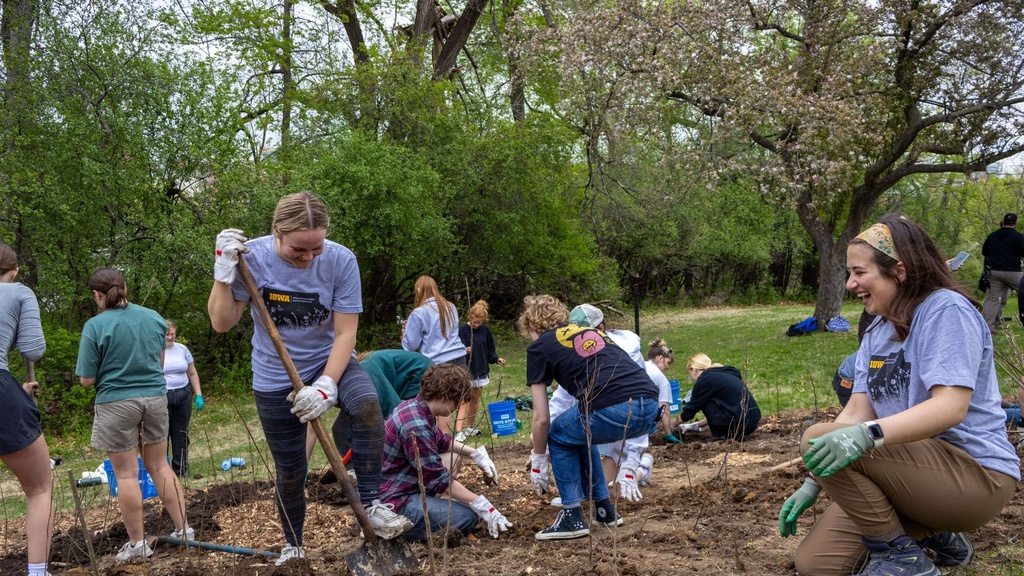
The University of Iowa campus hosts a growing network of Living Labs—spaces across campus that support hands-on teaching, learning, and research.

There is a diverse range of living lab sites, from well-established research environments to flexible, evolving spaces that invite new ideas and collaboration. Each location offers unique features, such as native plantings, educational signage, gathering areas, and ecological infrastructure. 

Explore the profiles below to learn how these spaces support sustainability, well-being, and innovation across disciplines.

Find Living Labs on Campus!

Explore the Living Labs:

Courtyard between Biology Building and Sciences Library

Biology Courtyard

The Biology Courtyard is a junction of multiple University of Iowa departments as well as the Iowa City community. This open green space, currently under utility construction, holds great potential as a study space, gathering place, and living lab.
Pharmacy Building and Roots of Medicine

Roots of Medicine

Roots of Medicine is medicinal garden formed as a collaboration between the College of Pharmacy, Hardin Library for the Health Sciences, and community members. Historical drawings and prints of the plants, information on the plant’s historical and modern medicinal uses, and a feed of the most current research are all provided through QR codes in the garden.
Lagoon Shelter House with trees in fall colors

Lagoon Shelter House

Lagoon Shelter House has supported outdoor recreation at the University of Iowa for decades. Recently, it transitioned from a storage facility to an adventure recreation space under the direction of Recreational Services, with a renewed focus on outdoor experiences and experiential learning.
MNRA

Macbride Nature Recreation Area

Macbride Nature Recreation Area, a 485-acre natural area located on a peninsula between Coralville Lake and Lake Macbride, features preserved old-growth woodland communities while supporting ongoing restoration efforts. There are 14 trails throughout the area, providing opportunities to view the wide variety of plant and animal species.
ashton priaire

Ashton Prairie Living Laboratory

Situated on the University of Iowa's Ashton Cross Country Course, the Ashton Prairie Living Laboratory (APLL) is an educational and research facility for UI students and researchers and the local community.
Tree Planting

The Andy Dahl Miyawaki Forest

The Andy Dahl Miyawaki Forest is a half-acre reforestation site located on the hillside northeast of Hillcrest Residence Hall and the largest Miyawaki forest in Iowa. As a living lab, the forest offers a unique, hands-on environment for students to learn about ecological restoration, sustainability, and the importance of campus and community collaboration.

Did you know?

Spending just 20–30 minutes in nature significantly reduces cortisol levels, a key stress hormone.

Who are living labs for?

drone flight

Students

Take your learning beyond the classroom. Whether you’re studying biology, art, engineering, or public health, these sites give you opportunities to connect coursework with real-world challenges. Some labs host active research, while others are open, flexible spaces you can use for class projects, independent studies, or just a quiet place to reflect and observe.

quadski testing

Researchers

Do you need dynamic, interdisciplinary research platforms embedded across campus landscapes? These sites support faculty and student inquiry in areas such as sustainability, public health, ecology, infrastructure, and community engagement. Some are well-established with ongoing data collection and research infrastructure, while others offer flexible environments for piloting new ideas. 

bioblitz

Public Engagement

You are invited to engage with outdoor spaces designed to promote learning, environmental awareness, and well-being. From prairies and forests to courtyards and shelter houses, these sites demonstrate sustainable practices and offer opportunities for public programming, K–12 education, and community science. Our spaces are being activated through partnerships and shared stewardship.
Events Around Campus

Raptor Readers: Owls (Sept. 17) promotional image

Raptor Readers: Owls (Sept. 17)

Thursday, September 17, 2026 4:00pm to 4:45pm
Iowa Raptor Project Bird Blind
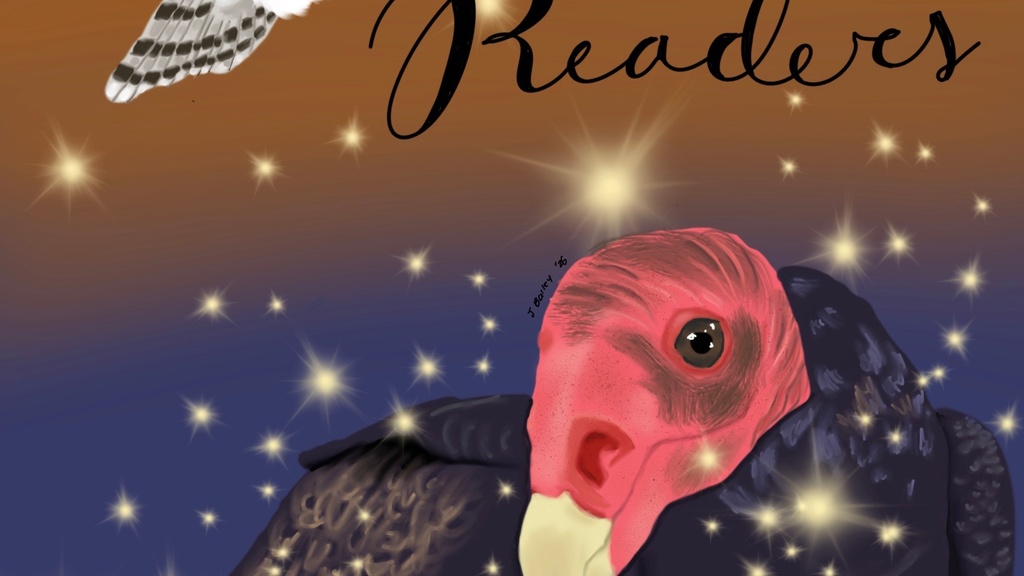
Raptor Readers: Vultures
Witness to Waste: Curating an Exhibit on Jay N. “Ding” Darling’s Conservation Legacy promotional image

Witness to Waste: Curating an Exhibit on Jay N. “Ding” Darling’s Conservation Legacy

Thursday, September 24, 2026 12:00pm to 1:00pm
Virtual
An online curator talk about the fall 2026 Main Library Gallery exhibition.
The Farm Bill as Natural Resource Law: How America's Largest Agricultural Law Shapes Land, Water, and Climate  promotional image

The Farm Bill as Natural Resource Law: How America's Largest Agricultural Law Shapes Land, Water, and Climate

Monday, September 28, 2026 12:30pm to 2:00pm
Boyd Law Building

The Farm Bill is often viewed primarily as agricultural legislation, but it is also one of the nation’s most consequential natural resource laws. Through conservation programs, crop insurance, commodity supports, and other incentives, the Farm Bill influences how millions of acres of agricultural land are managed, and, in turn, affects water quality, soil health, wildlife habitat, and climate resilience.

This interdisciplinary panel will explore how federal farm policy translates into decisions...

Suggest a new living lab on campus