
Designing and developing a living lab at the University of Iowa
There are various considerations for amplifying our campus spaces for learning and research - and we are here to help! The living labs team emphasizes stakeholder engagement, phased development, and strong curricular connections across disciplines such as environmental science, public health, humanities, and social sciences. The team can help you think through infrastructure improvements include educational signage, pathways, and water access for sampling or recreation.
The ultimate goal is the long-term sustainability of these spaces. That will rely on campus partnerships, coordinated maintenance, and funding opportunities—possibly including donor support. We will help create clear strategies for governance and evaluation to ensure the living lab remains an accessible, vibrant, and mission-aligned resource for students, faculty, and the broader community.
Step 1: Complete the Submit Lab Suggestions Form
Suggest a living lab location on campus. We welcome ideas and suggestions for indoor and outdoor spaces. Our team will contact you shortly after receiving your responses.
Step 2: Review the Project Proposal Process Timeline
Complete the living labs short form above
- Submit the short form above with basic information about your idea, location, and initial goals.
- This form initiates the process and flags your project for follow-up by the Living Labs team.
Gather colleagues and partners
- Identify collaborators from your department or related disciplines (e.g., environmental science, public health, humanities).
- Meet with the Living Labs team to clarify your vision and map out potential connections to coursework, student engagement, or research initiatives.
- Consider broader stakeholder engagement: students, facilities, sustainability, and community partners.
- Begin initial conversations about long-term goals and values, including accessibility, inclusivity, and sustainability.
Define infrastructure and program needs
- Collaborate with the Living Labs team to think through phased development, based on the capacity of the space.
- Identify possible infrastructure upgrades (e.g., signage, shaded seating, pathways, river or land access).
- Begin scoping out operational needs like maintenance, storage, or utilities.
Engage the partnership
- Formalize partnerships with relevant units (Facilities Management, Sustainability Office, academic departments, etc.).
- Explore funding sources: departmental budgets, grants, or donor support.
- Co-create governance and communication strategies: Who oversees the space? Who maintains it? How is access shared?
- Plan for data collection and evaluation (student engagement, course use, public impact, etc.).
Pilot activation
- Begin low-stakes use of the space through courses, events, or research activities.
- Collect early feedback from participants and adjust logistics.
- Publicize and document initial successes to share with campus and potential supporters.
Contact the Living Labs Team
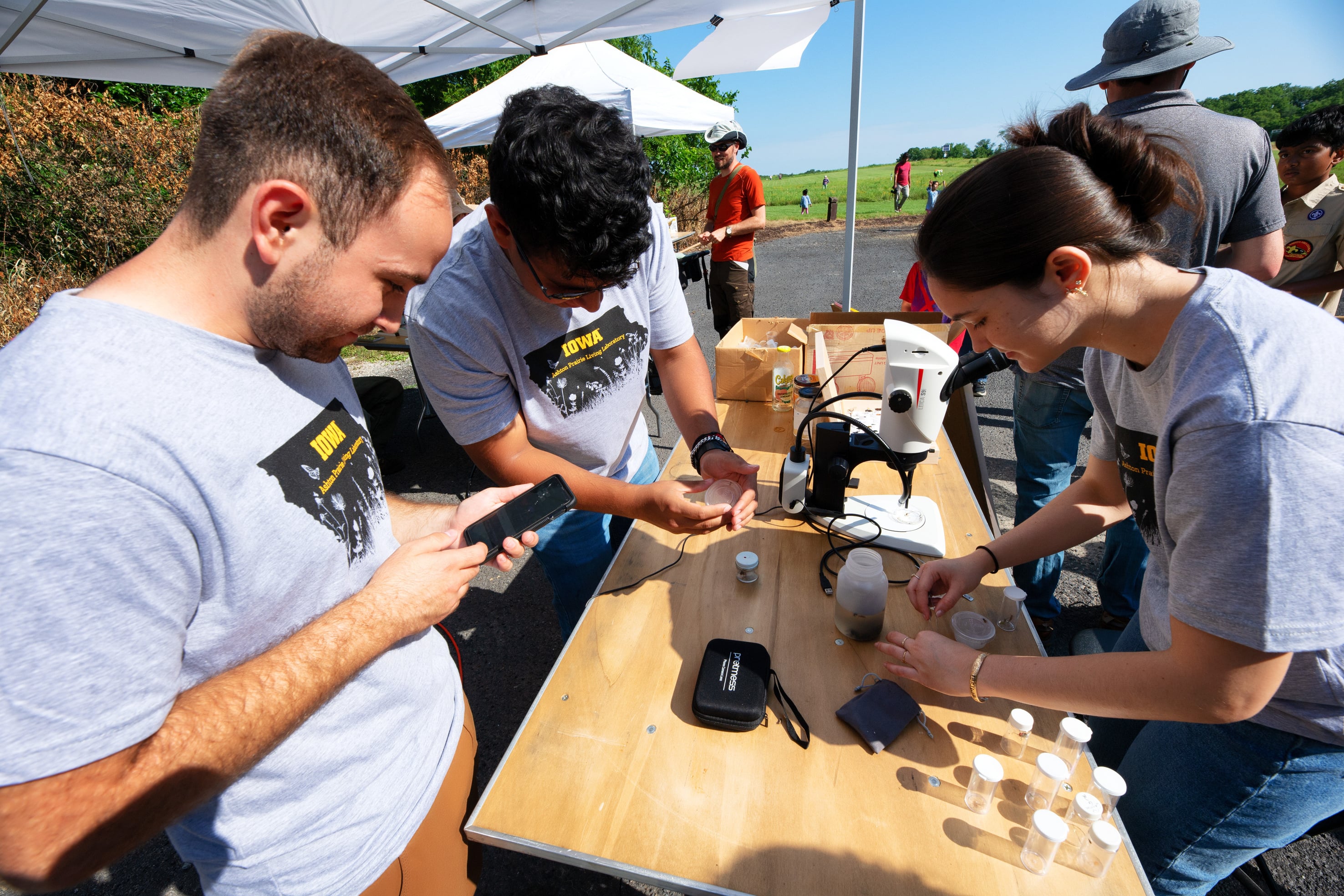
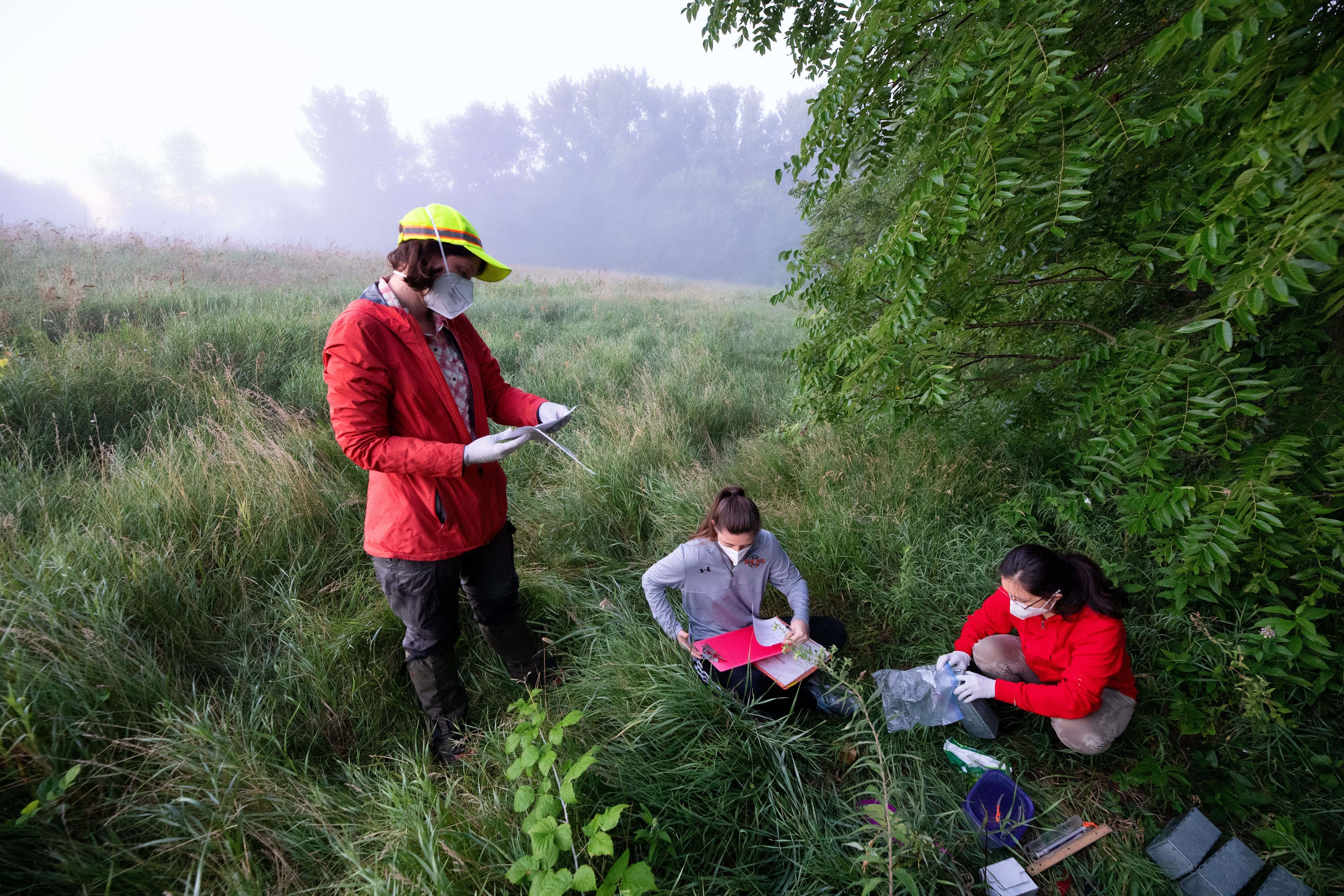
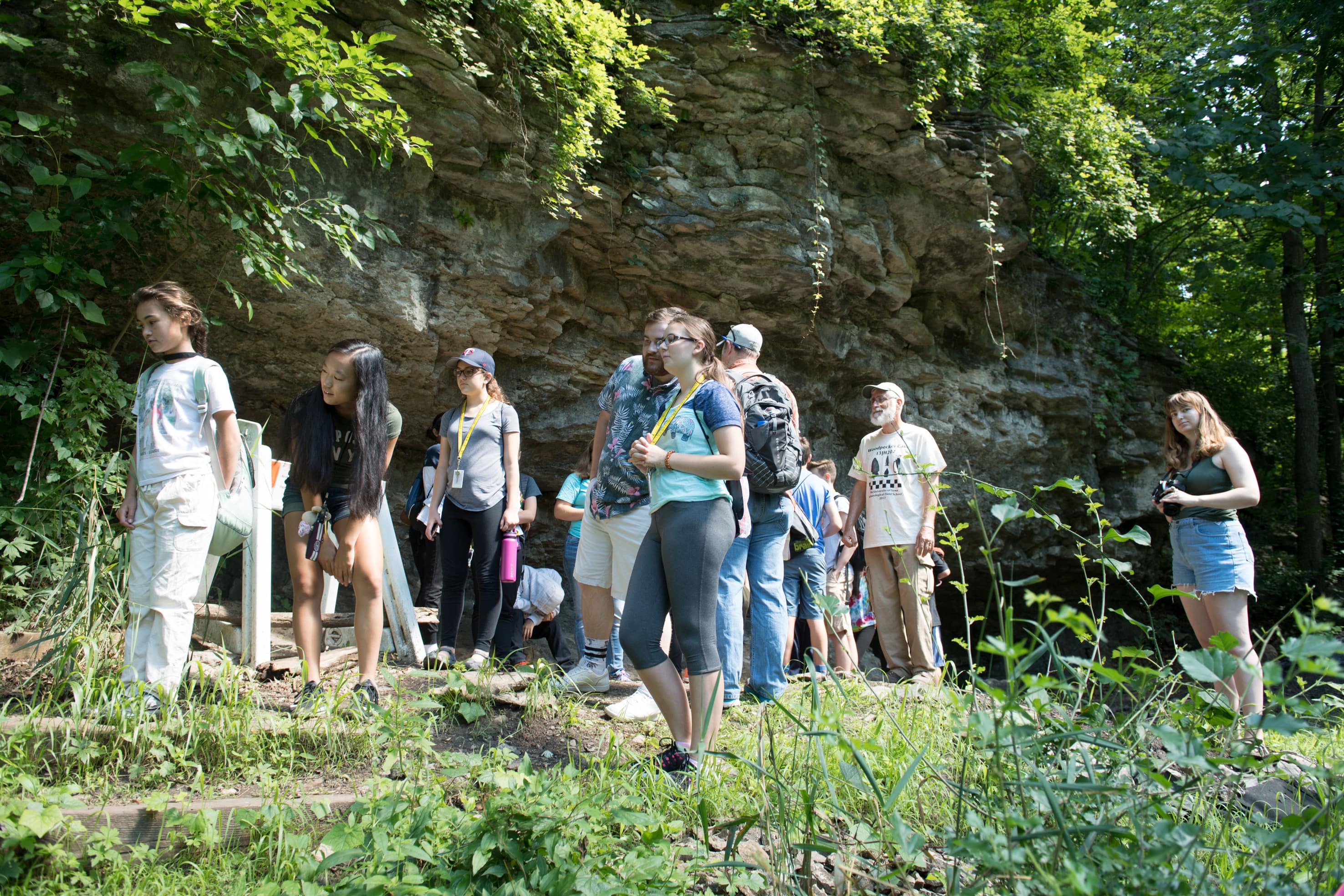
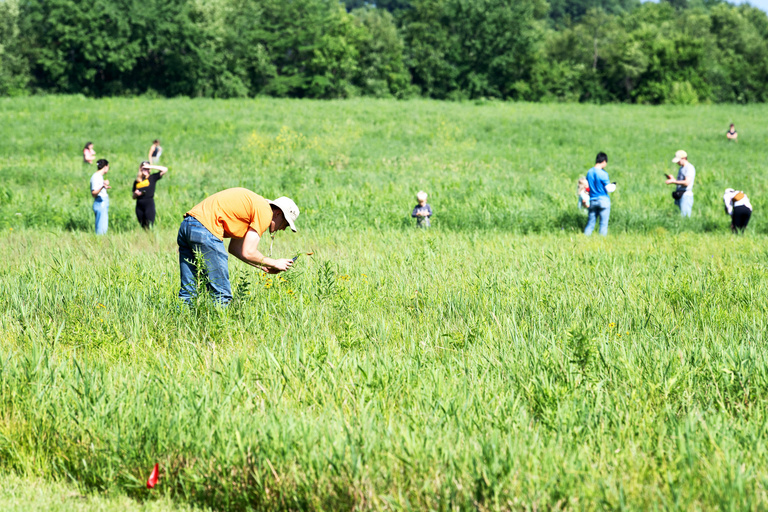
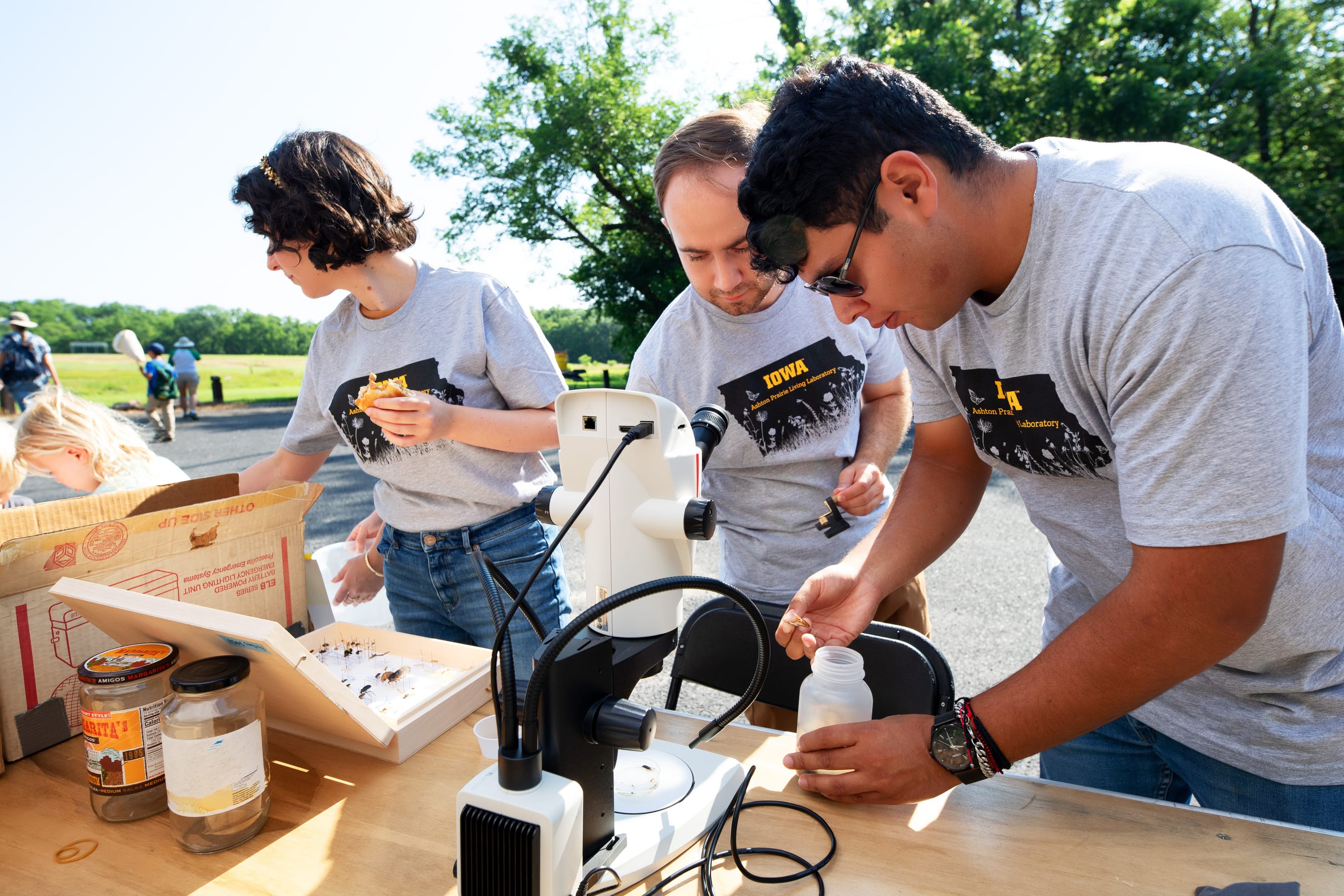
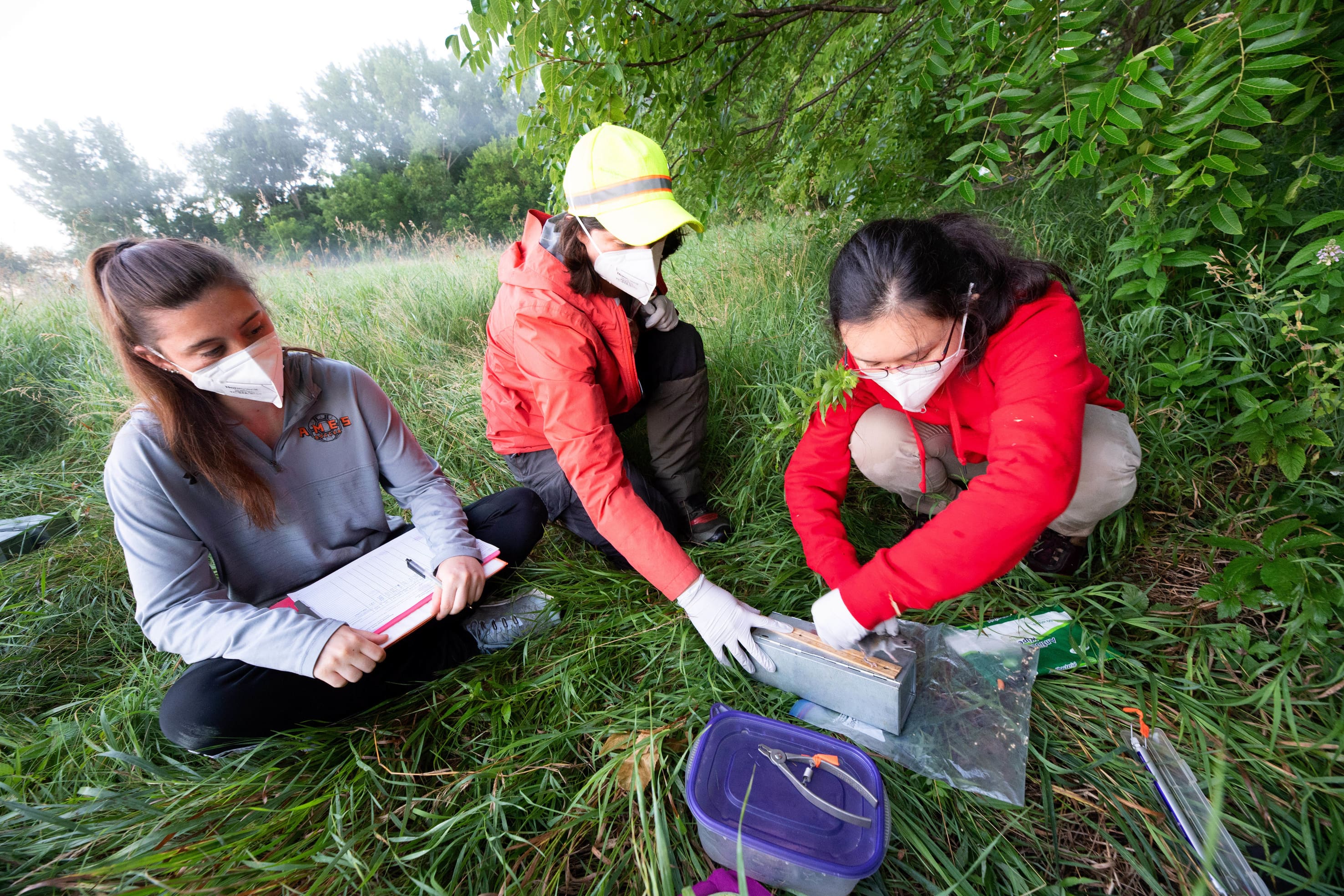
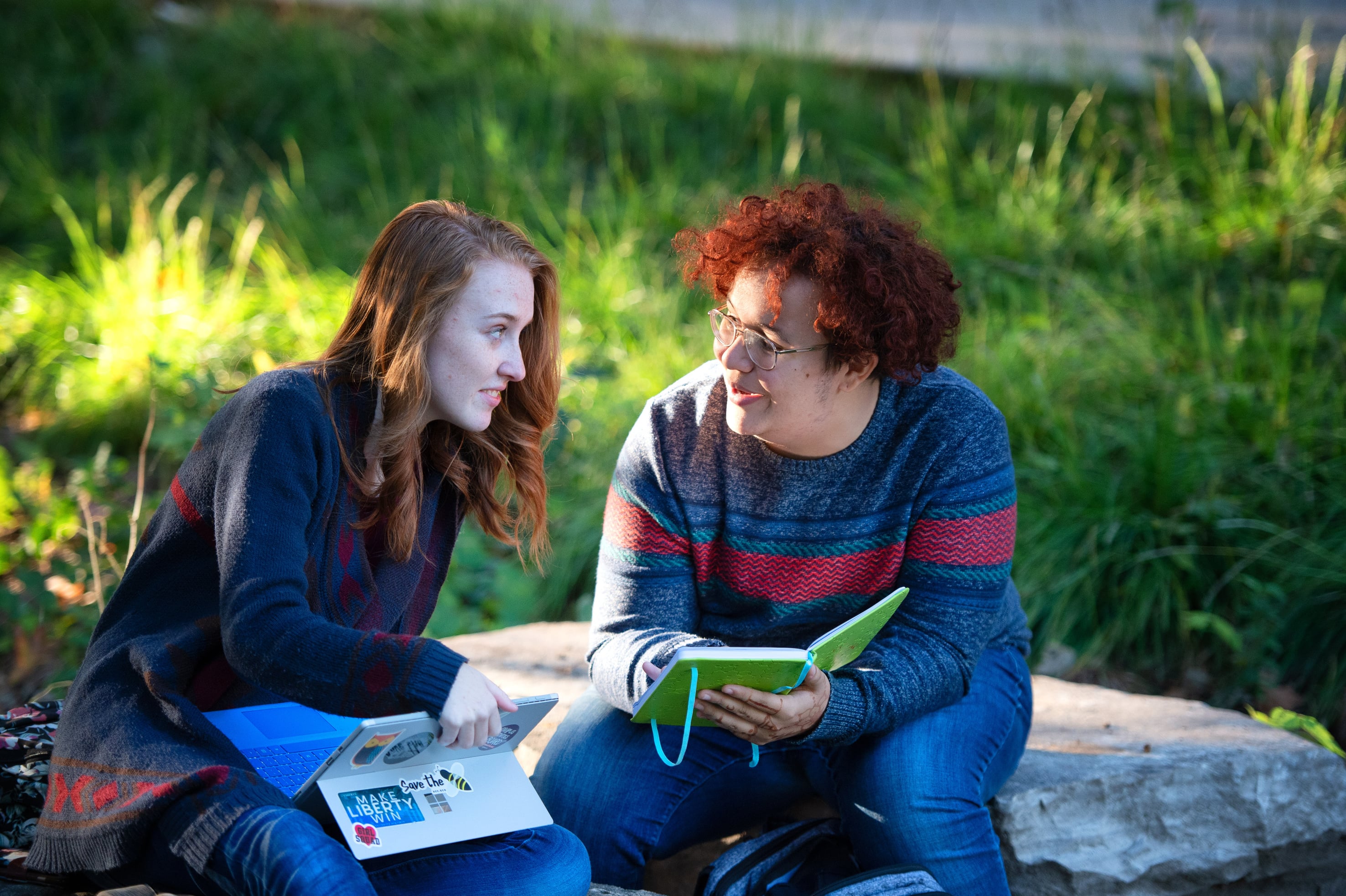
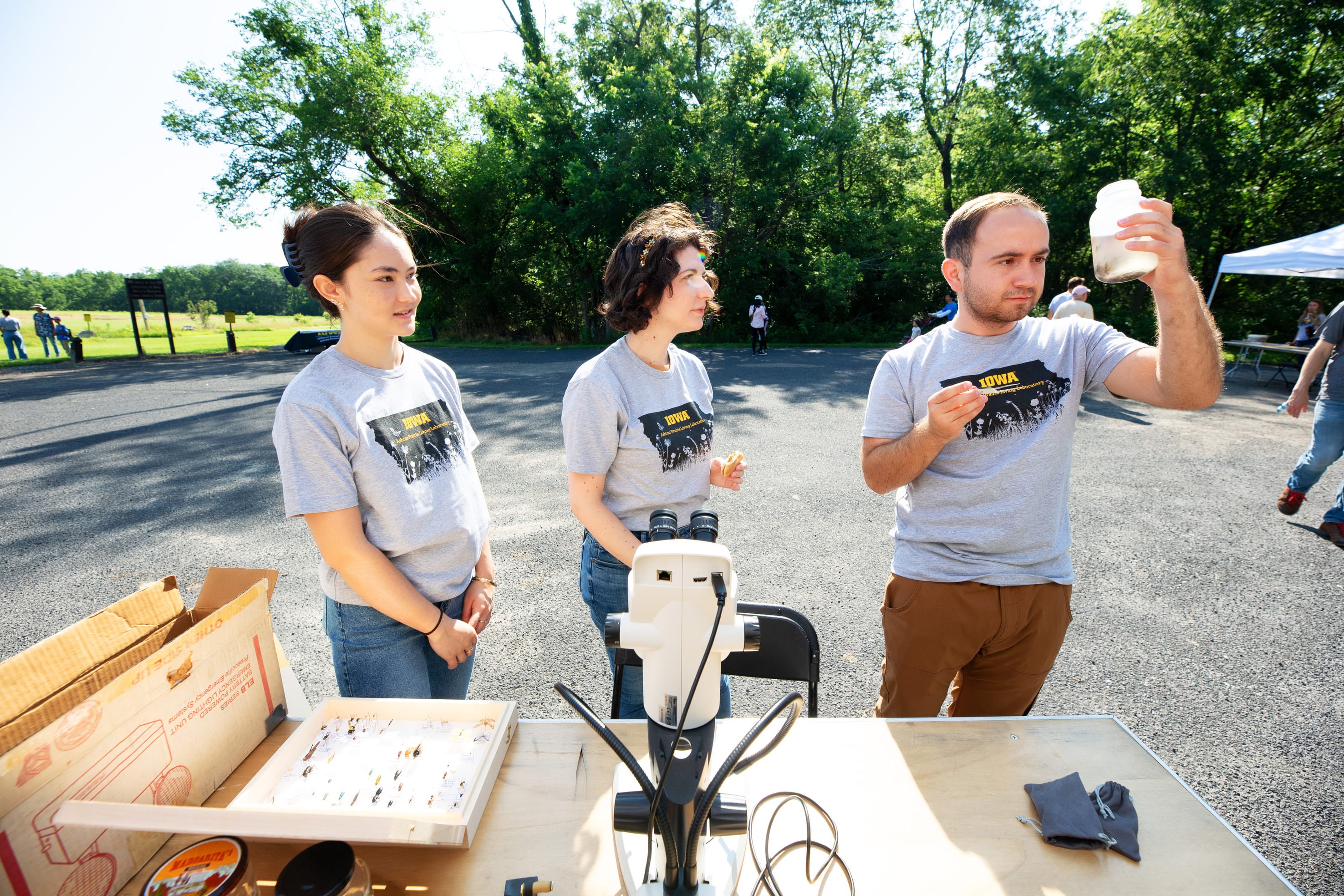
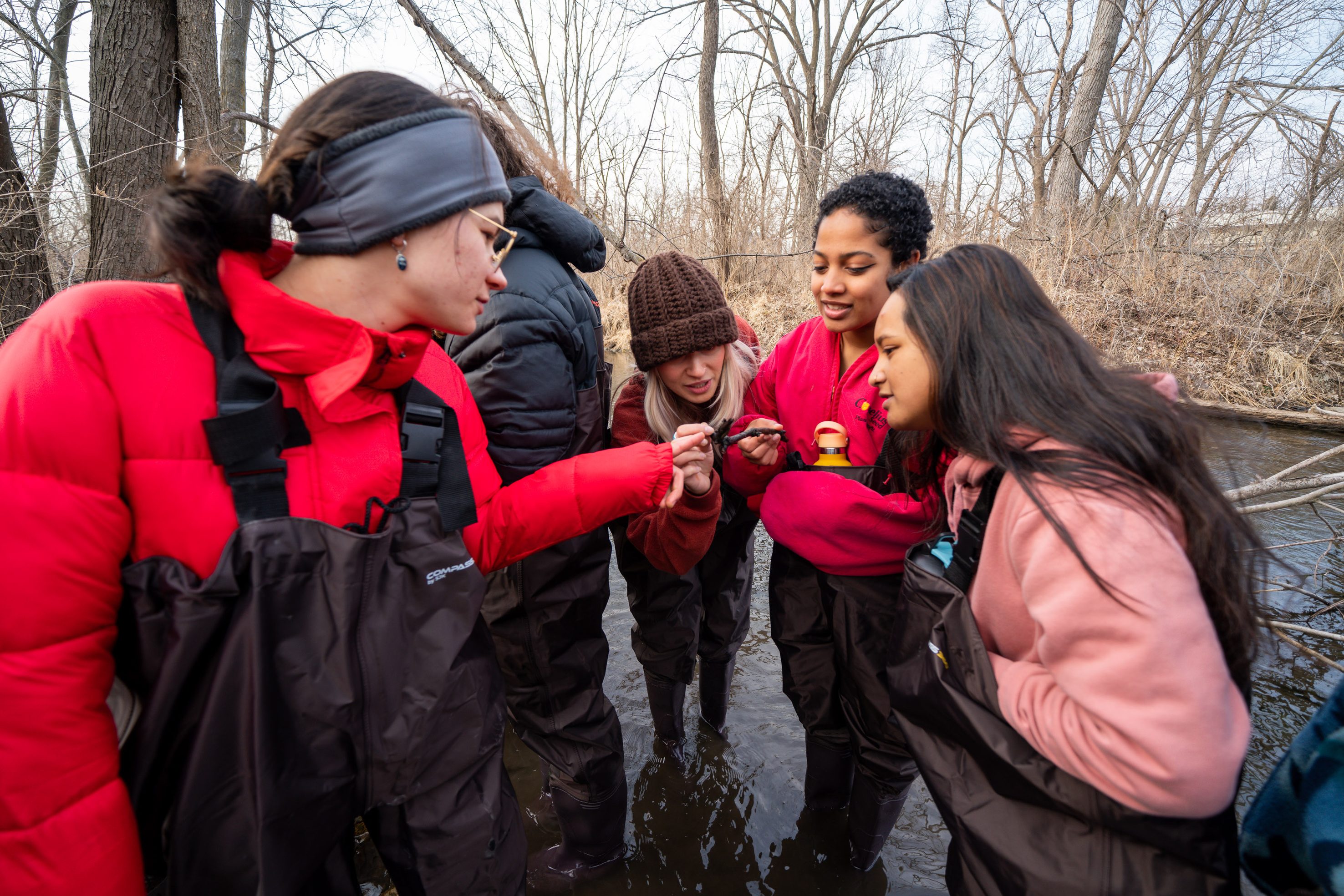
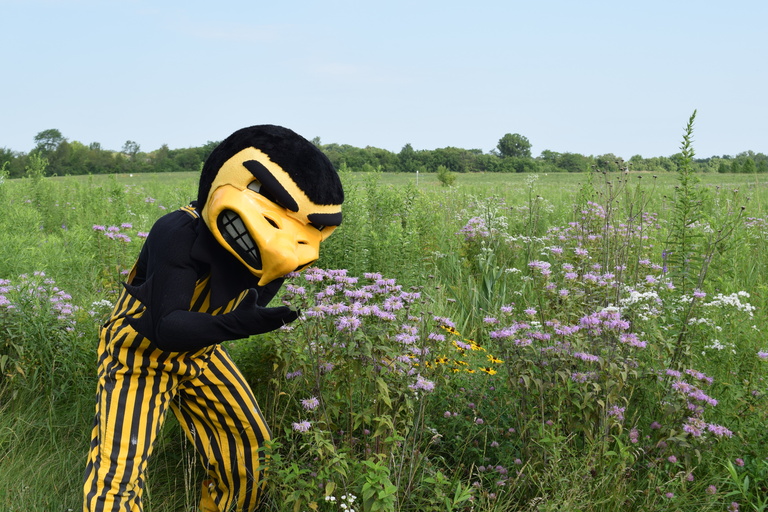
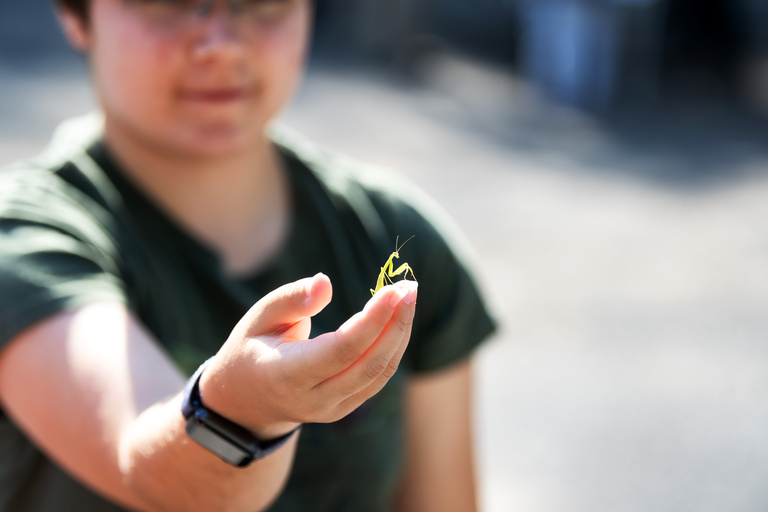
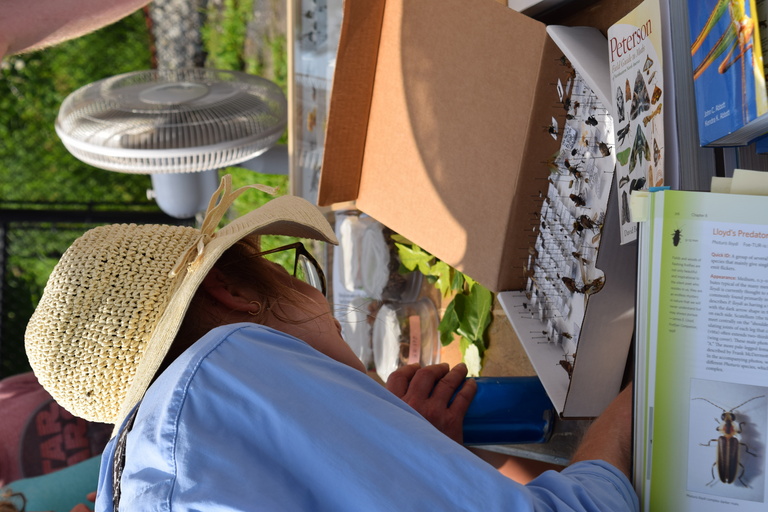
Scenes from around campus
Did you know?
Immersing yourself in nature can improve creative problem-solving by as much as 50%,


